

Between hidden corners and the icons of Venice
Nestled in the profound quiet of Cannaregio, Palazzo De Polo enjoys the perfect location for discovering Venice’s hidden gems and its most iconic landmarks. Just steps away are the Church of San Canciano, the Church of Santa Maria dei Miracoli, and the Giorgio Franchetti Gallery at Ca’ d’Oro; while a little further on, the Rialto Bridge and Rialto Market lead the way towards St Mark’s Square and the Bridge of Sighs.
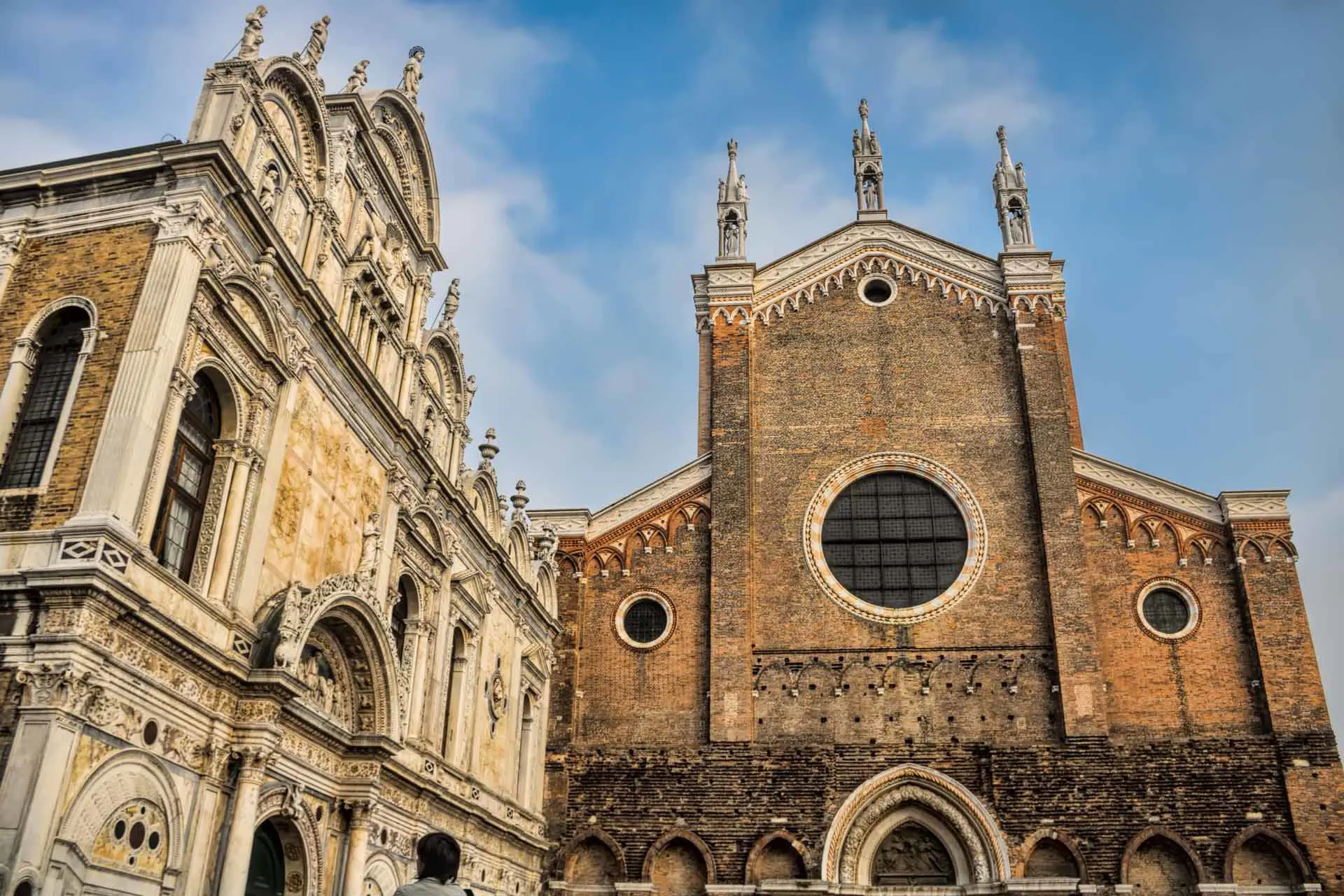
Campo Santi Giovanni e Paolo is home to the Scuola Grande di San Marco, a Renaissance masterpiece that today houses Venice’s Civic Hospital. After a devastating fire in 1485, it was rebuilt by the architects Pietro Lombardo and Mauro Codussi, with a magnificent façade in polychrome marble and high-relief sculptures depicting the miracles of St Mark. Inside are the Sala Capitolare and the Albergo, which once had the honour of hosting paintings by Tintoretto and Bellini. The Scuola stands in a corner of Campo San Zanipolo, as it is known in the Venetian dialect, the traditional setting for the award ceremony of the Historical Regatta of Venetian-style rowing.
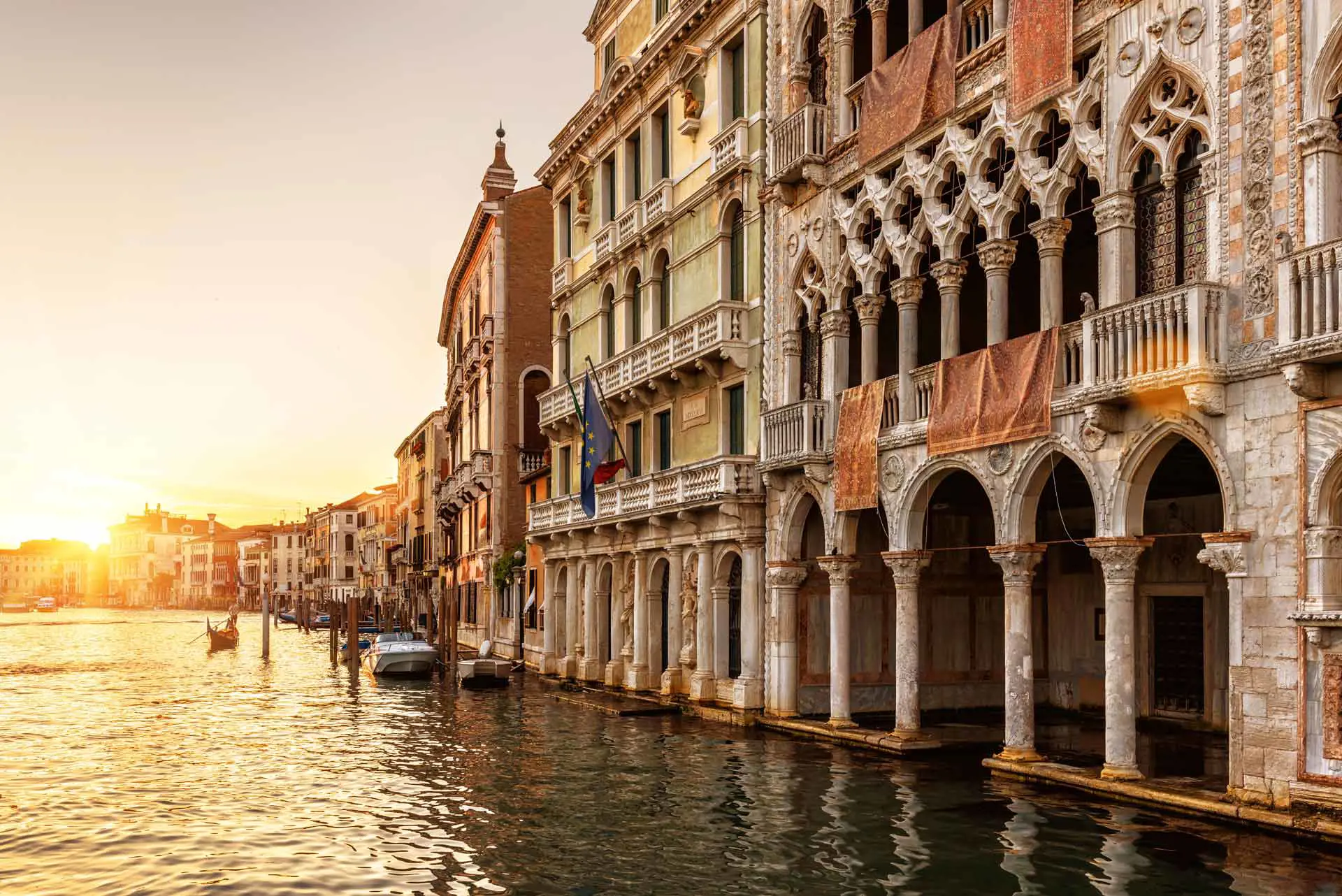
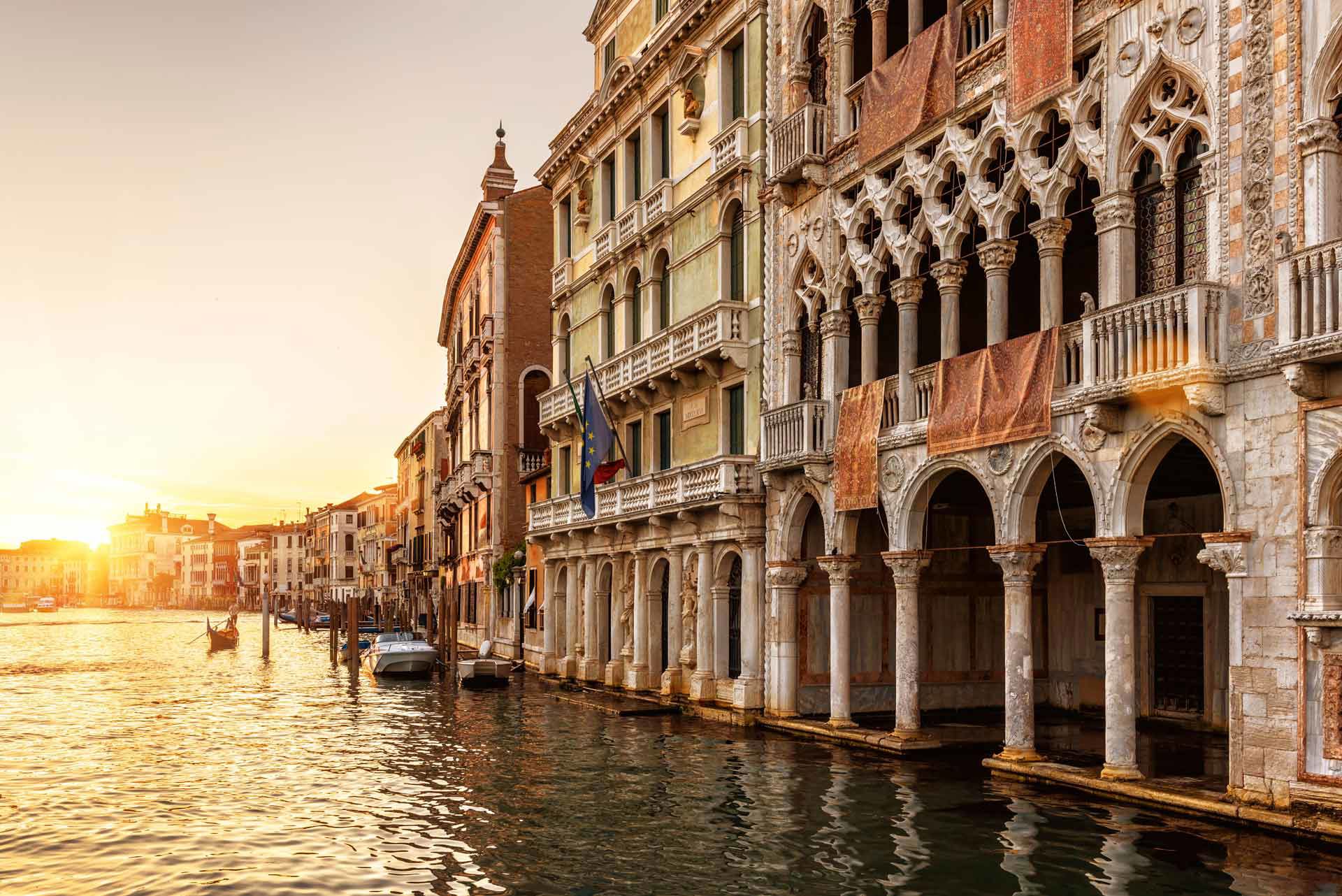
Ca’ d’Oro is one of Venice’s most renowned buildings, overlooking the Grand Canal and considered one of the greatest surviving testimonies to Venetian Gothic architecture. Today home to the Galleria Giorgio Franchetti museum, it is located just a short walk from Palazzo De Polo. Its name derives from the ancient decoration of its façade, once enriched with gilded finishes that have disappeared over time. What remains is an architecture of extraordinary elegance in pink and white stone, blending with Moorish-inspired elements such as pointed arches and roof details.
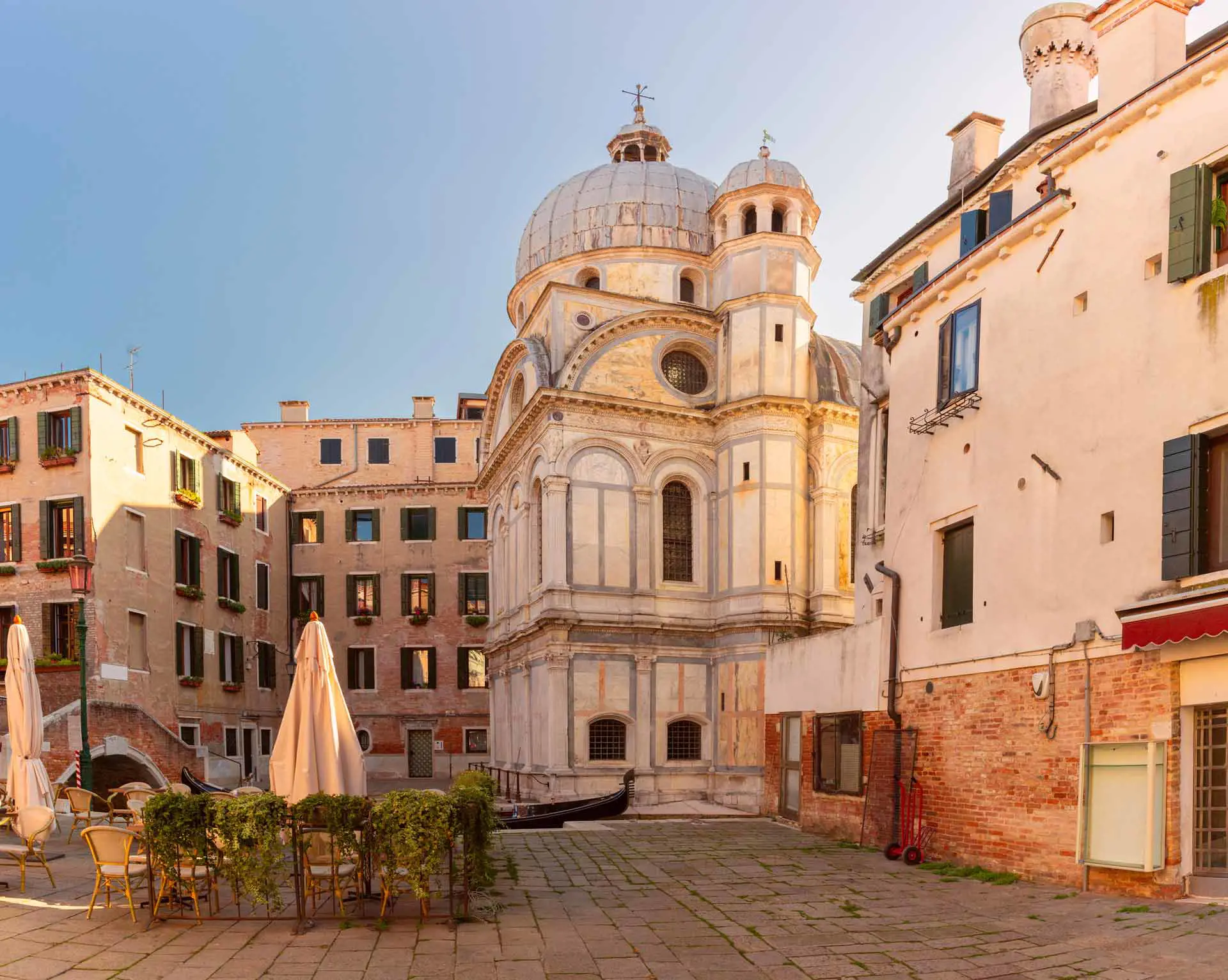
The Church of Santa Maria dei Miracoli may be considered one of Venice’s hidden gems: away from the most beaten paths, it preserves one of the city’s most precious architectural marvels. Framed between canal and calle, with its rectangular floor plan and barrel vault, it seems to emerge silently from the water. Built in polychrome marble in the late 15th century by the artist Pietro Lombardo, commissioned by the Amadi family and dedicated to the Immaculate Conception, it preserves friezes and sculptures on its façade, including the Madonna and Child, making it a work of rare harmony in the Serenissima.
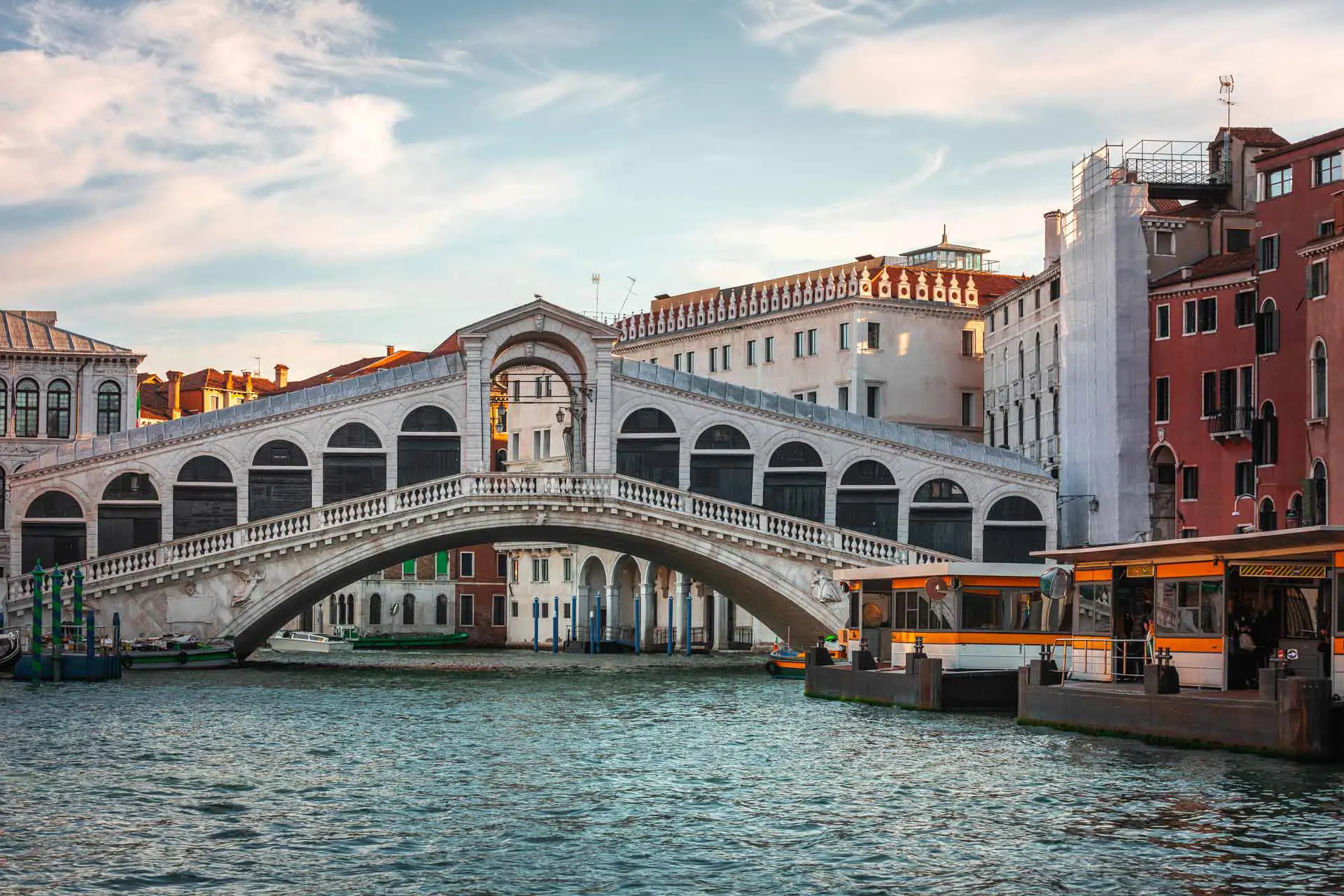
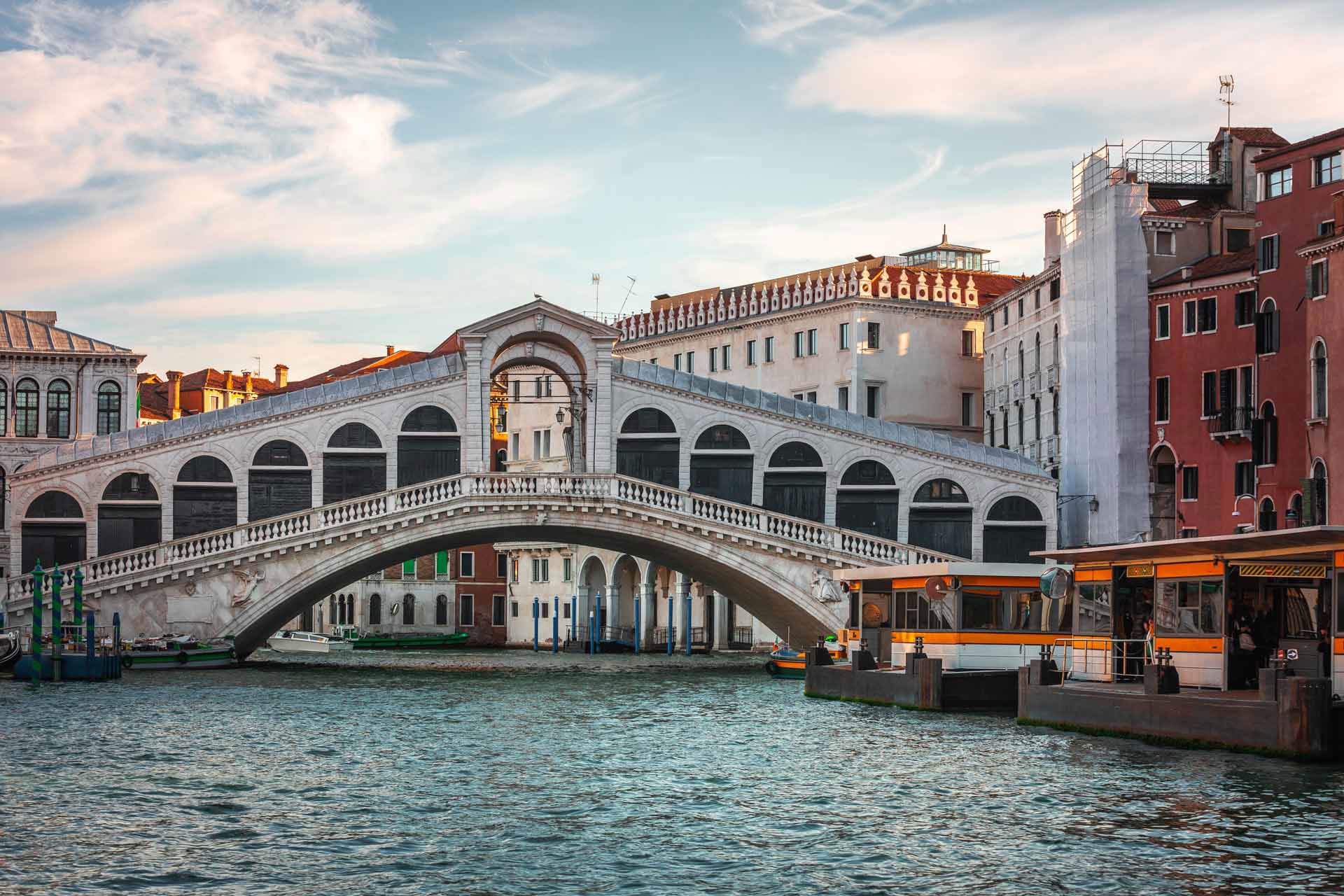
Today, the Rialto Bridge is one of the most visited and photographed attractions in the world, but its history is rooted many centuries in the past. Once known as Rivus Altus, meaning “deep canal”, it referred to the area of the Grand Canal that became one of the Serenissima’s main commercial hubs. Originally known as the Ponte della Moneta, due to its proximity to the ancient Mint, it was damaged, rebuilt, and transformed several times over the centuries, before taking on its current form in stone and brick. Designed by Antonio da Ponte, the bridge was completed in 1591.
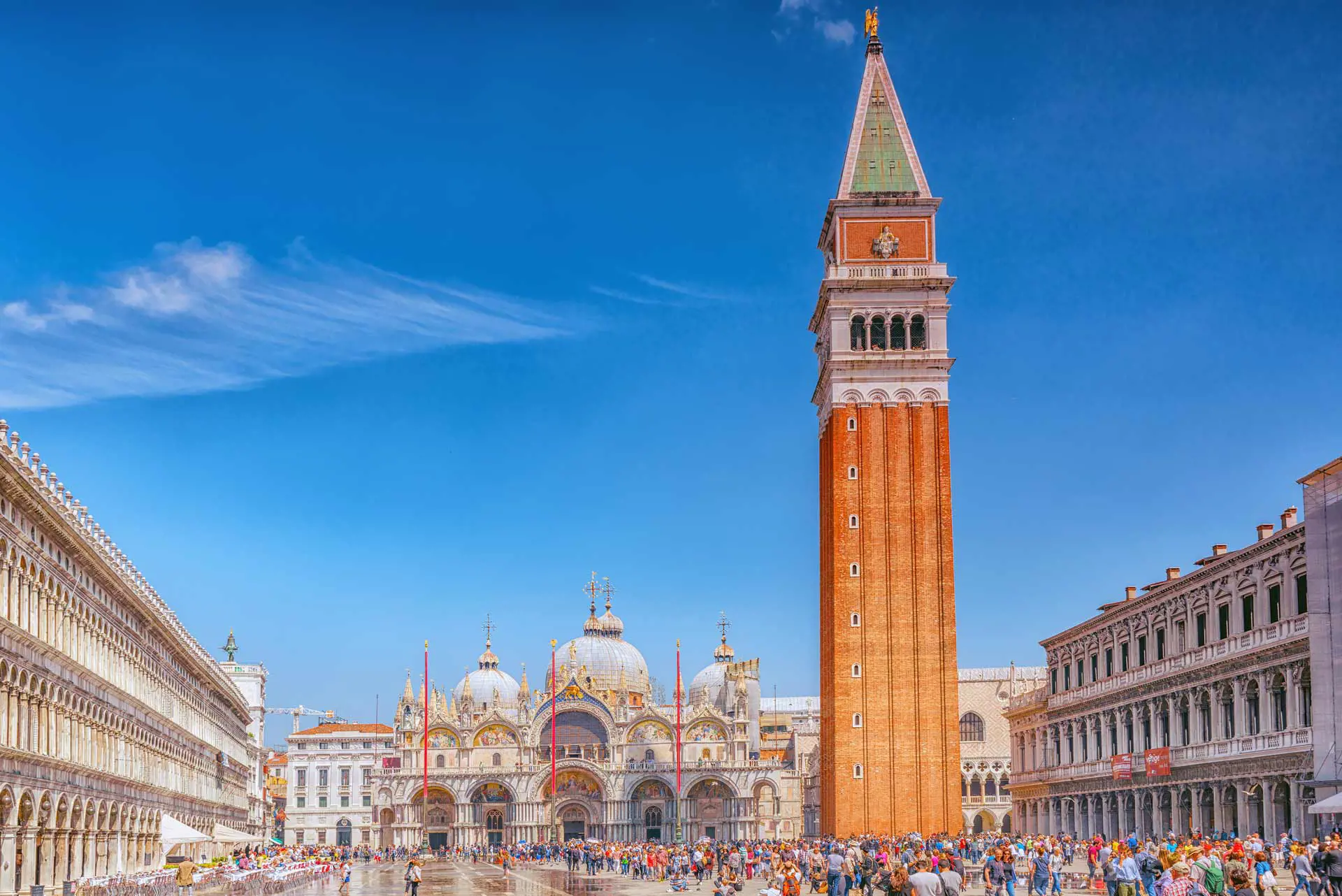
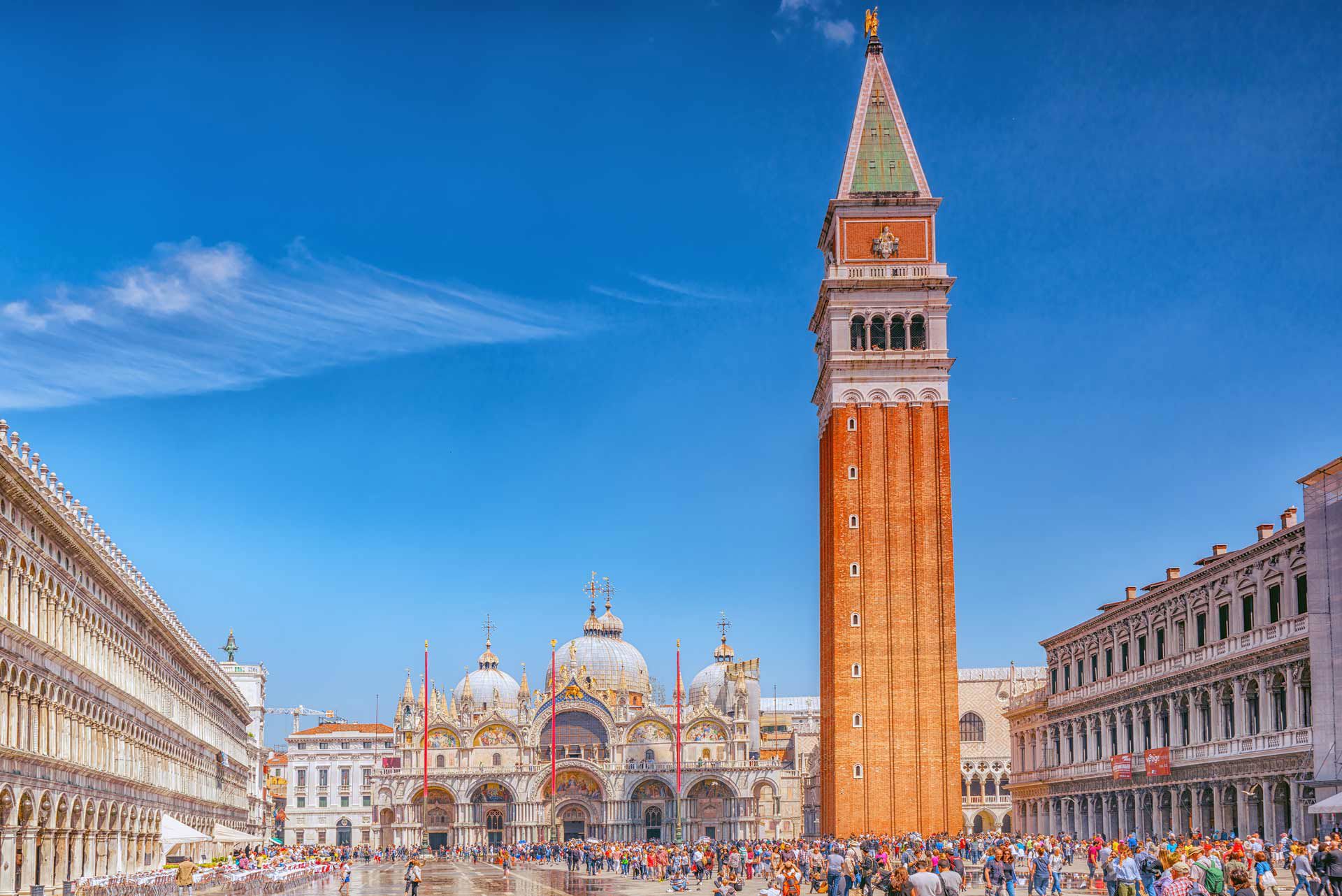
The only true square in Venice, a city scattered with calli, campi, and campielli, St Mark’s Square is one of the most fascinating places in the world. Known as “the most beautiful drawing room in Europe”, it is the lowest part of Venice and one of the first to be touched by acqua alta, Venice's seasonal high water. The eye is drawn to St Mark’s Basilica, the bell tower, the Clock Tower, and the Correr Museum, while the Bridge of Sighs is just a short walk away, linking the Doge’s Palace to the New Prisons. Legend has it that its name comes from the sighs of the prisoners, who from here admired the outside world for the last time.
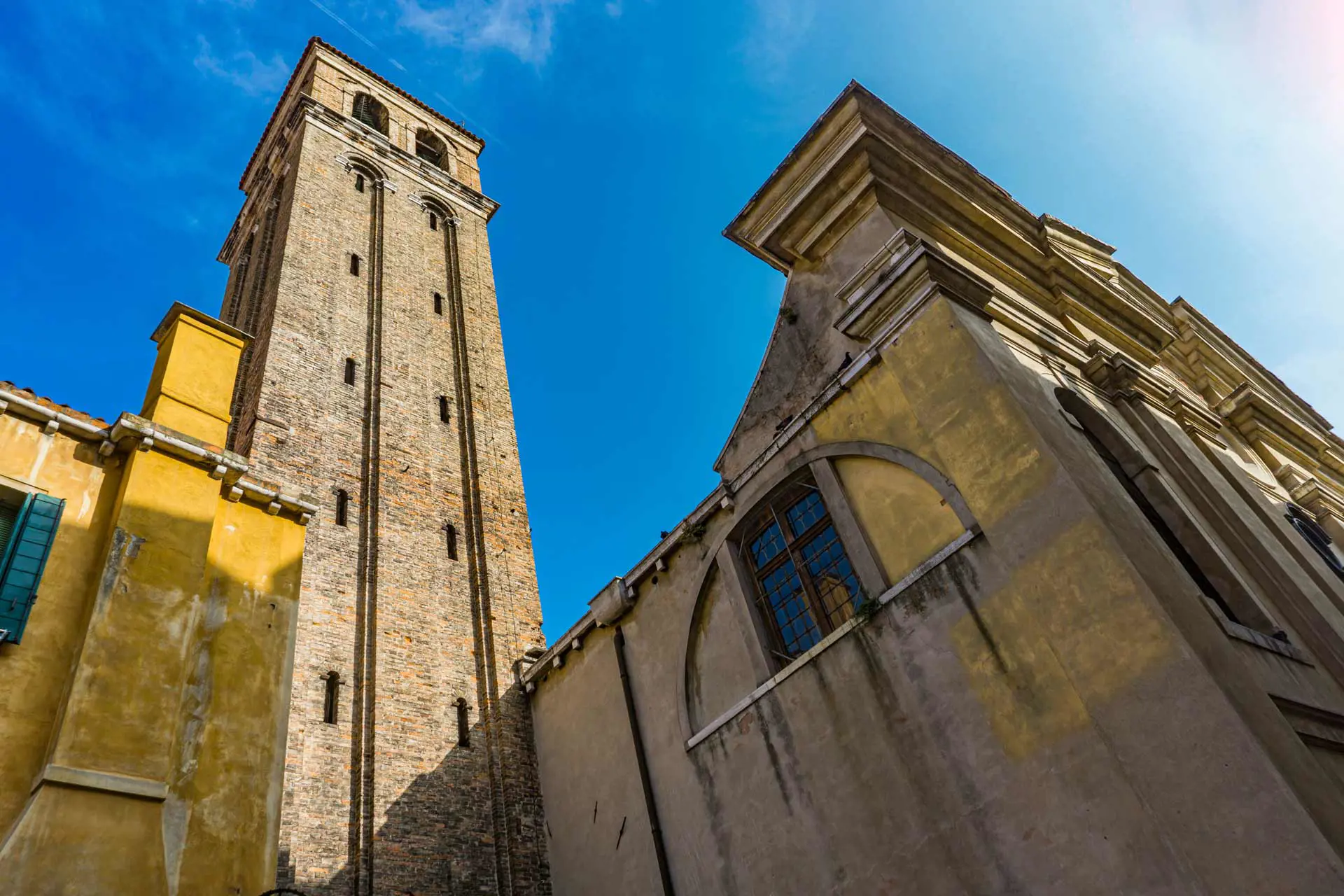
The Church of San Canciano, also known as San Canziano, is one of the oldest churches in Venice: according to tradition, its origins date back to the 9th century, when it already served as a parish church. After demolitions, reconstructions, and restorations, it took on its current appearance in the 18th century, with a façade by Antonio Gaspari and an interior by Giorgio Massari. Today, it preserves a bright three-nave interior, with Corinthian columns, side altars, and paintings, and represents one of Cannaregio’s most intimate historic places of worship.